Ductless Mini-Splits
Ductless mini-splits are a variation of heat pumps, which can include geothermal systems. Traditional HVAC systems use a central air handler to condition air and distribute it throughout your house using a system of ducts. These central systems have some thermal energy loss as the conditioned air moves toward its destination. The alternative to central systems is the ductless mini-split. These use smaller air handlers that are installed throughout your home. Each air handler is responsible for heating a smaller area. These set up what are called zones, allowing you to set different temperatures in the various areas of your home, rather than only keeping a single temperature. It also means that it only runs the air handlers in the areas that need heating or cooling, reducing total energy consumption.
How Heat Pumps Compare to Traditional Heating Options
Gas-fueled furnaces are the most widely used residential heating system. These systems produce a tremendous amount of heat, but some of that is lost with the system’s exhaust. Further, single-stage furnaces allow the air in your home to go through a temperature swing, getting cool before the system cycles on, and then heats it back up. This leaves your family uncomfortable, getting chilled and then overheating. Heat pumps have a smaller temperature rise than traditional furnaces. This leaves the system running longer cycles and experiencing smaller temperature swings. In fact, if you have a 2- or variable-stage system, it’ll run nearly non-stop as it maintains your home’s temperature rather than constantly having to raise it.
Keeping the System Running Efficiently
Even when your home has a high-efficiency heating system, it may not remain efficient without the right work. Fortunately, these tasks aren’t challenging, and you can do most of it for yourself.
Cleaning the System
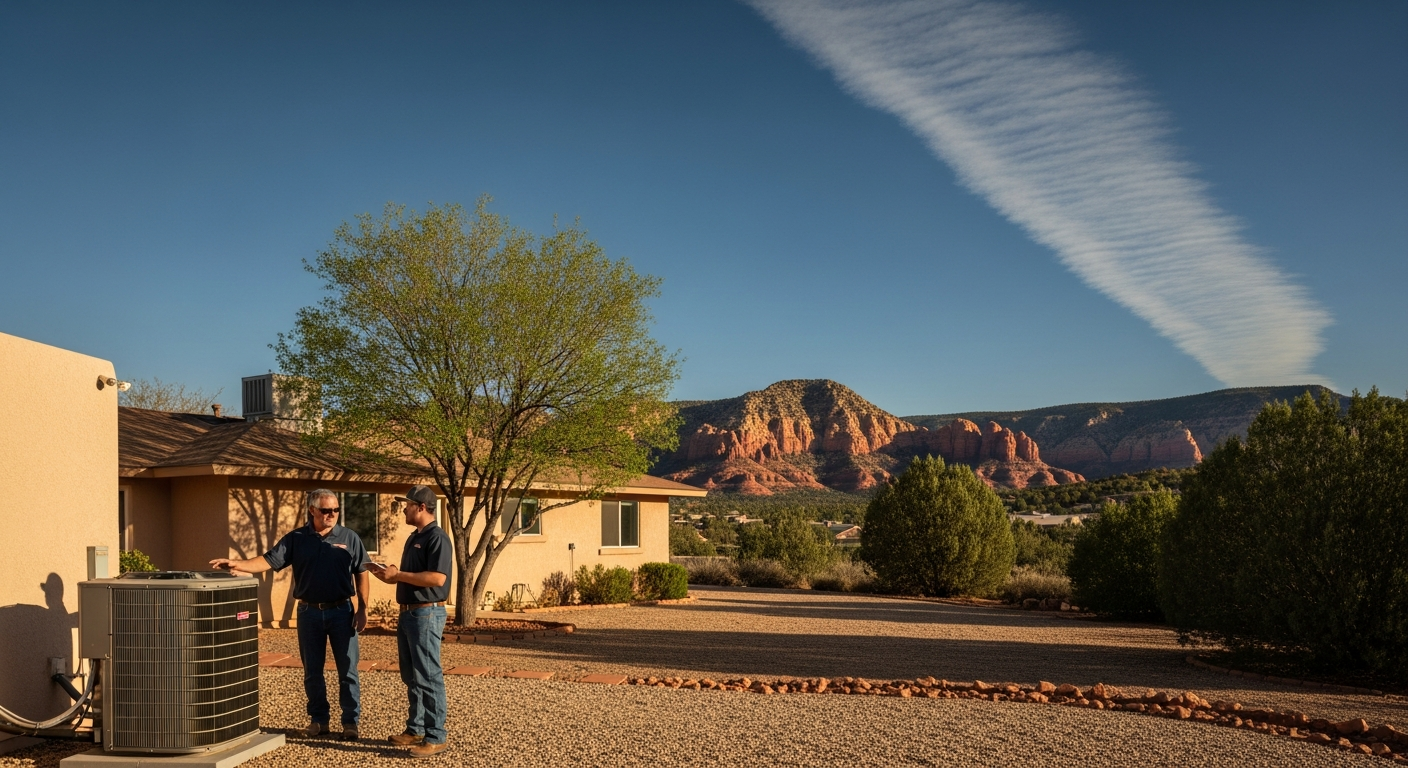
It’s important to keep the system clean, especially in the dry Arizona desert climate. The small particles that float through the air will clog up the external unit of an air-source heat pump and will eventually clog up the internal workings of the inside unit. The best way to keep them clean is through routine heat pump maintenance twice a year, usually in the spring and fall. Also, consider gently washing the exterior unit throughout the year to prevent dust and dirt from restricting airflow through the unit.
Keeping the Filter Clear
Along with routine maintenance, your system’s filters will need attention. If you opt for a central system, it’ll have disposable filters that will need replacing. For the common 1- and 2-inch filter, you can expect to replace it every 30 to 90 days, while larger filters may last longer. If you have a ductless mini-split system, you’ll have to wash the filter and let it completely dry before reinstalling it. Plan to wash each filter about every two weeks. If you have multiple air handlers throughout your home, consider rotating which you wash so that you aren’t doing all of them at the same time. This will help keep your home comfortable even while some of the air handlers are shut off while you clean the filter.
Managing Your Air Quality
Do whatever you can to improve the air quality around your home. The more contaminants the air contains, the more your system will strain to maintain your desired temperature, raising your heating costs and increasing the wear on the system. Start by managing your home’s humidity, aiming to keep it between 30% and 50%. Then look at other air quality improvement options, including air purifiers, filters and scrubbers. Whenever property owners around Camp Verde have needed dependable heating or cooling services, they have turned to Goettl’s High Desert Mechanical since 1987. Our expert team provides heating and cooling installation, maintenance and repair together with indoor air quality solutions and a wide range of residential plumbing services. Call to schedule a consultation with one of our heating experts to explore the most efficient heating solution for your home.